Emergency Plumbing & Boiler Repair · Pimlico, London
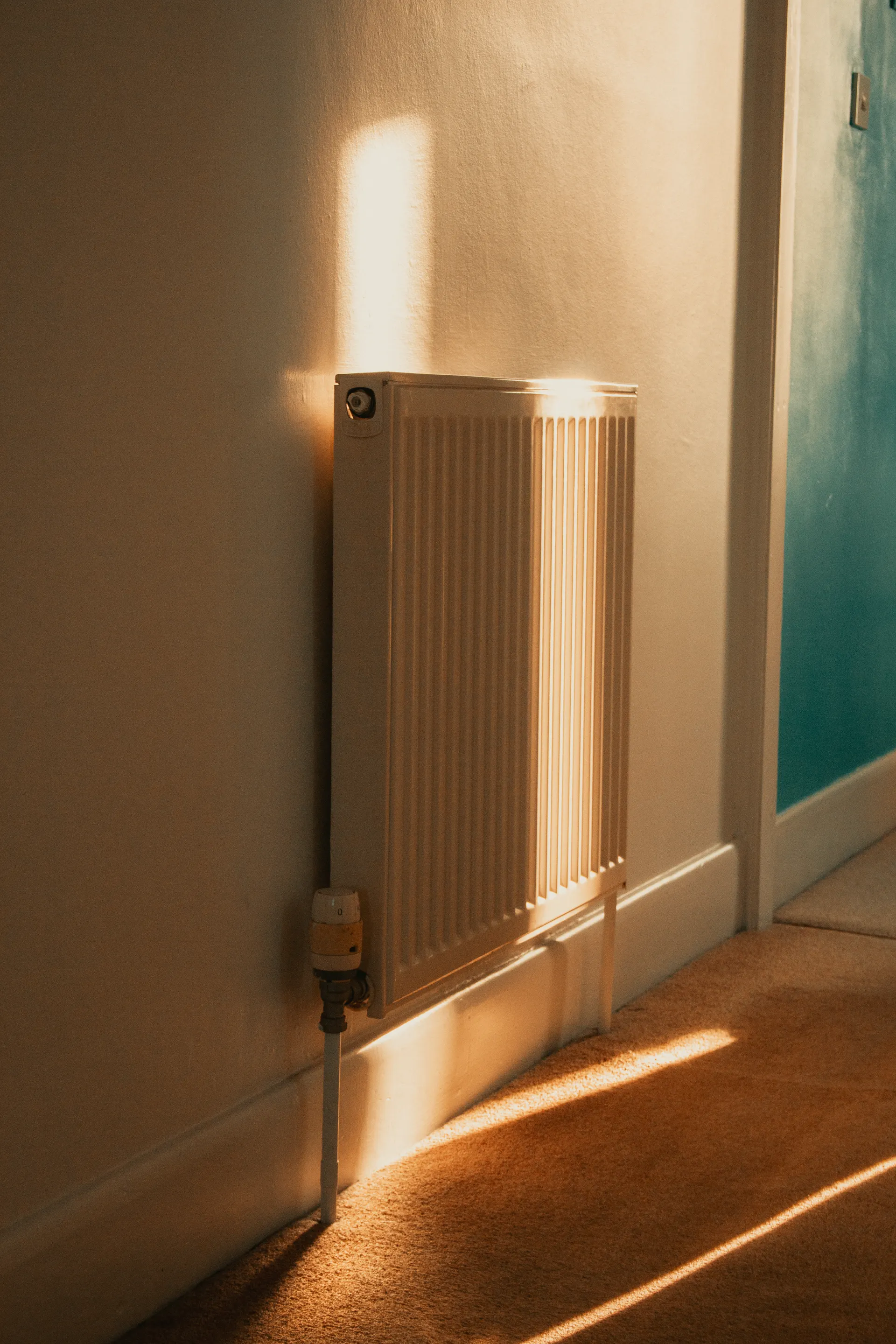
Radiator Repair & Installation in Pimlico, London
A leaking radiator valve soaks a floor, and a seized one leaves a room cold for a whole winter. London Boiler Repair, Plumbing handles radiator repair and installation across Pimlico, Victoria, Belgravia and Vauxhall by matching you, on 07380 899348, to the nearest free partner company with the right tools for the job.
Rooms in a Cubitt stucco terrace are tall, with high ceilings, shutters and generous bay windows, so the radiator that suits a modern box room often looks and performs wrongly there. Partners can price tall column radiators, slim panels and, where the pipework allows, floor-standing designs that fit the proportions of a period room.
A radiator job is rarely only a radiator. Draining and refilling a sealed system, isolating the circuit, protecting floors, balancing the new unit and checking the system water all matter, and in a flat on a shared riser the neighbours need to hear about it first.
The partner writes down the scope and price before starting. We text you the company's name before the visit, and the same number stays on the job.
What We Do
Radiator Jobs Pimlico Homes Book
From a dripping valve to a whole room's worth of new radiators, the partner starts with the pipework.
Leaking Valves, Tails and Radiator Bodies
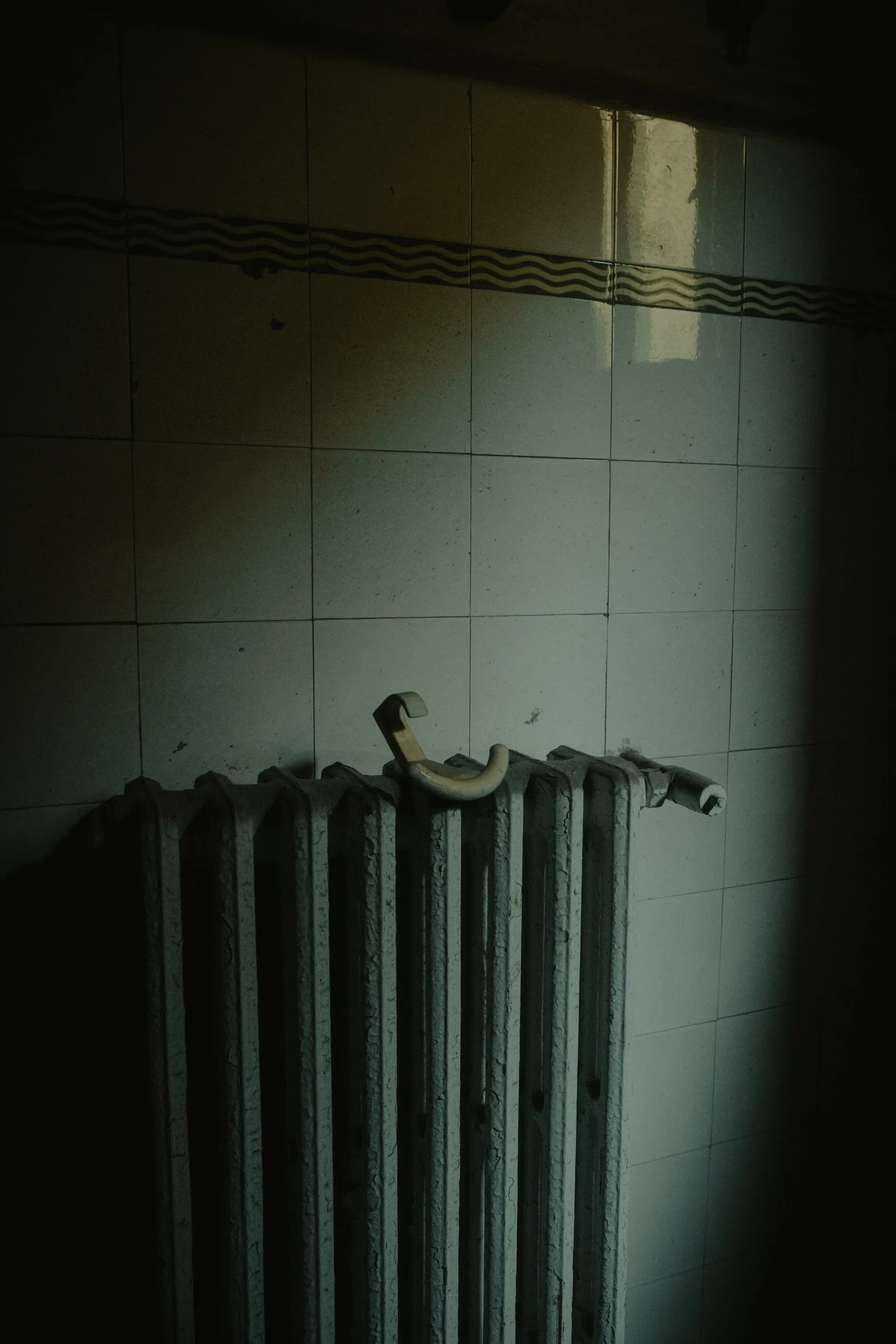
A drip at the valve spindle is usually a worn gland or packing, while a leak at the union is a failed tail or washer and one through the radiator face is corrosion. The partner isolates the radiator, drains it, repairs what leaked and refills the system, topping up inhibitor so protection is not lost.
Seized Thermostatic Valves and Cold Spots
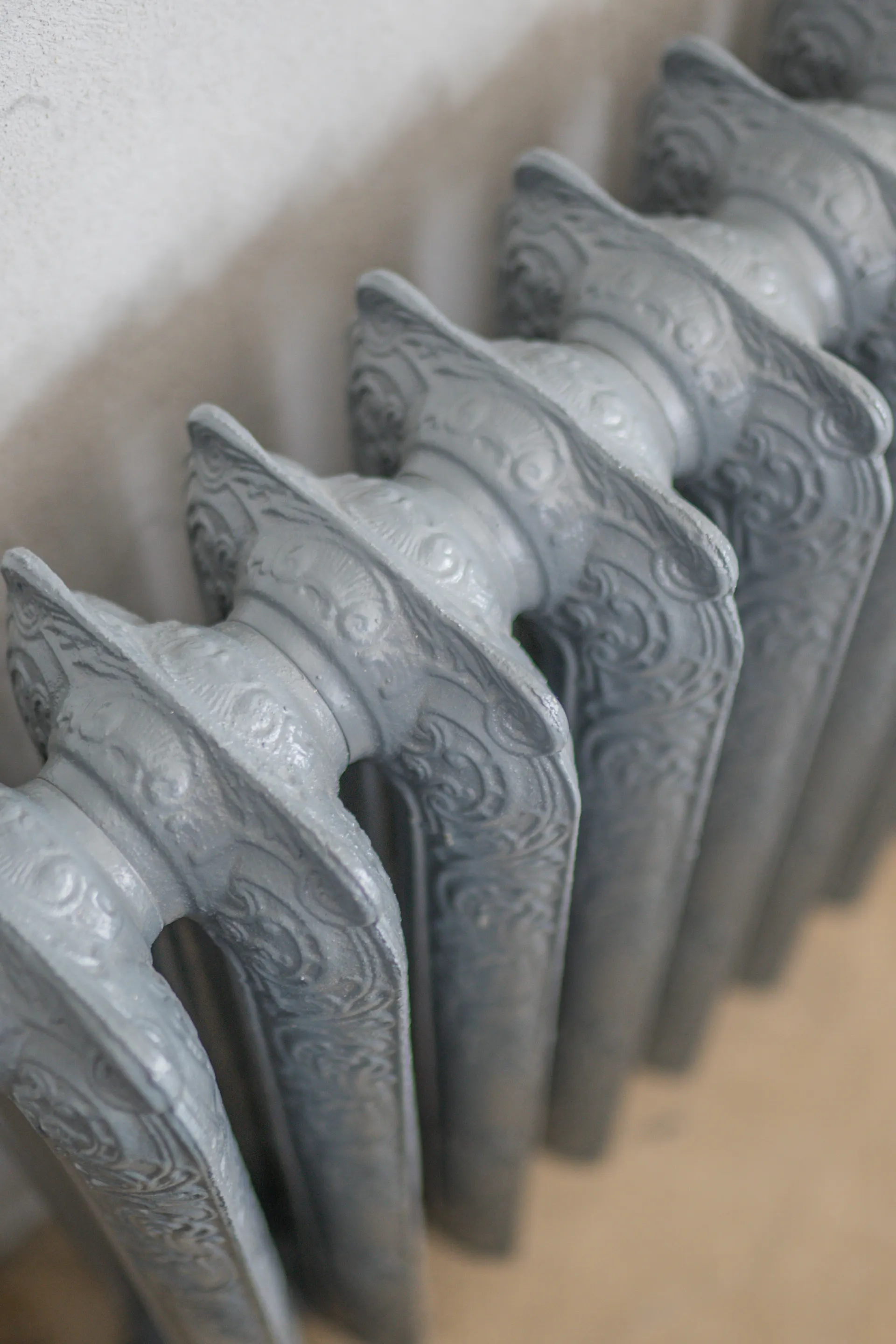
A thermostatic head stuck on cold, a valve pin that no longer moves or a lockshield that was closed years ago are common causes of a cold radiator in an otherwise warm home. They are cheap to put right and, on Pimlico's multi-floor houses, often explain a room that never heated properly.
New and Replacement Radiators
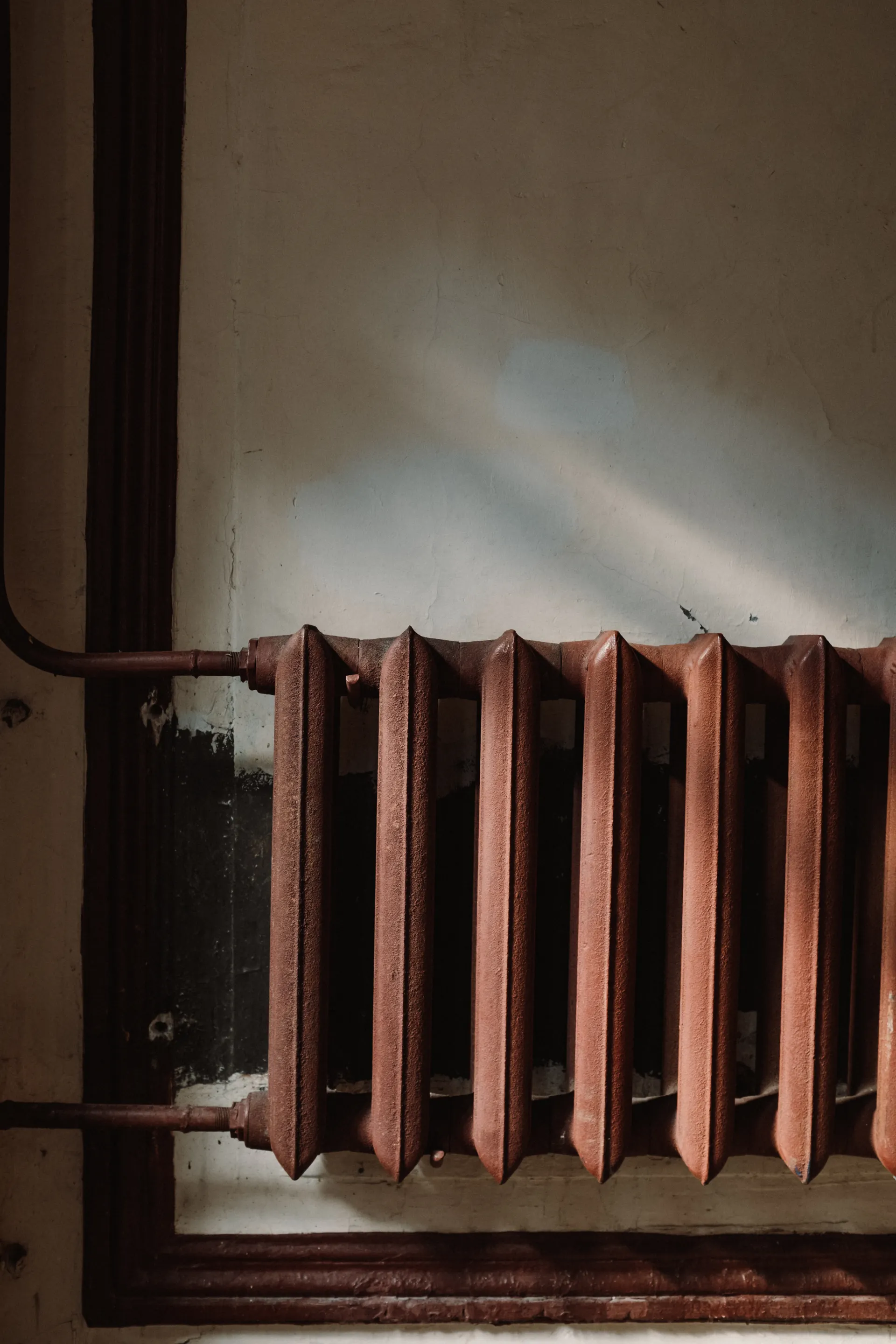
A new panel, column or towel radiator is sized to the room's heat loss, not the old unit's footprint. In high-ceilinged stucco rooms that often means taller, narrower models. The partner quotes supply and fitting, with the pipework alterations written down, and balances the system afterwards.
The Benefits
Doing a Radiator Job Properly
Small details separate a tidy job from a leak six months later.
Isolate, Drain and Protect
The partner isolates the radiator, drains it with dust sheets down, and uses fresh valves and seals so the new joint is not asked to hold on a worn thread.
Balance and Bleed Afterwards
A new radiator changes how the system shares heat, so each is balanced and bled and the boiler's pressure is reset to the manufacturer's figure.
Inhibitor Replaced
Draining dilutes the corrosion inhibitor, so it is topped up to keep the circuit protected on London's hard supply.
Why Us
Fitting for Period Rooms and Managed Blocks
Where you live changes how a radiator job is planned.
Stucco Terraces
Original floors, plaster and joinery are worth protecting, so the partner uses careful routing and makes good rather than cutting more than needed.
Shared-Riser Flats
In converted blocks, isolating one radiator is easy, but works on a riser need the managing agent and neighbours informed first.
District-Heated Homes
In Churchill Gardens-style flats the radiator work is yours to arrange, while network plant belongs to the operator.
Radiator problems often start elsewhere, so see central heating call-outs when the whole circuit is uneven, power flush for sludge and plumbing emergencies when a leak will not wait. A cold house can also trace back to the boiler. See our Victoria Street area page for flat conversions near the station, or browse every service.
Choosing and Fitting Radiators for Period Rooms
The right radiator depends on the room, the system and the building, and the notes below cover the choices that come up most in Pimlico and the streets around it.
Panel, Column or Cast Iron
Panel radiators are slim, cheap and quick to fit. Column radiators suit period rooms and give plenty of output for their footprint. Cast iron holds heat the longest but is heavy, and floors and walls must carry it. The partner advises on which suits the room, then prices the supply and fitting together.
Matching Output to the Room
A radiator's heat output is measured in watts and should match the room's heat loss. A tall stucco room with sash windows loses more heat than a small modern box room, so the same footprint can be badly undersized. The partner calculates the figure and tells you whether a taller or double-panel model solves the problem.
Thermostatic Valves and Controls
A thermostatic radiator valve lets each room settle at its own temperature, which Part L expects on new heating work. In a flat with a single thermostat, they are the main way to heat one room less than another. Old valves that stick are replaced during the same visit, because the system is already drained.
Draining, Isolating and Refilling
On a sealed system the partner isolates the radiator with its valves, drains the minimum needed and refills to the right pressure afterwards. If the valves will not hold, part of the system must be drained, which is slower. In a flat, the partner protects floors below and keeps any water away from the neighbours.
Towel Rails and Bathrooms
A heated towel rail needs either a heating circuit connection or an electric element, and water supply rules govern what sits near a bath or shower. The partner explains which route suits the bathroom and keeps electrical parts to what the regulations allow. Compact bathrooms in converted flats often decide the choice.
Balancing for the Whole Home
After any new radiator, the partner balances the system by setting each lockshield so heat is shared evenly. Skipping this leaves the new radiator hot and the farthest one cold. A balanced system heats faster and uses less gas, which matters on a long cold winter.
Costs, Access and Timing
What Affects the Price
The cost depends on the radiator you choose, the pipework changes and the access. A like-for-like swap on existing pipes is the cheapest, while moving a radiator, adding one in a new room or fitting a long column radiator takes more time and materials. Period floors and plaster add care. The partner gives you a written price after seeing the room, and lists each item, so you can compare quotes properly.
Planning the Visit
Most radiator jobs are done in a morning or an afternoon, but fitting several can take a full day. Heating may be off during the work, and in winter the partner should plan to leave the system working before it leaves. Tell us if a room is hard to access, or if furniture will need moving, and the partner can allow for it.
Dealing With a Leak While You Wait
If a radiator is leaking, close both valves, put a tray and towels under it, and keep the heating off until the partner has seen it. A slow drip can be caught in a container, but do not try to tighten fittings yourself on a hot system. If the water is spraying, shut off the boiler and ring us straight away.
Frequently Asked Questions
How do I stop a radiator leaking while I wait?
Turn the radiator valves off by hand if they move, place a towel and a container under the leak, and if water is spraying isolate the heating and the boiler's filling loop. Do not undo anything yourself on a sealed system. Ring 07380 899348 and a partner can be matched to attend, with the heating drained and the valve or radiator repaired.
Why is one radiator cold when the rest are hot?
The usual causes are trapped air, a stuck valve pin, a closed lockshield or a blocked radiator with sludge at the bottom. Bleeding sorts the first, freeing the pin sorts the second, and balancing the third. If the radiator stays cold at the bottom after bleeding, it needs flushing or replacing, which the partner will quote.
What size radiator do I need for a high-ceilinged room?
Radiators are sized by heat output in watts, which comes from the room's volume, insulation, windows and exposure, not from wall space. Pimlico's stucco rooms often have high ceilings and large sash windows, so a taller or double-panel radiator may be needed. The partner calculates the heat loss and quotes accordingly. Ask the partner to show the calculation in the quote.
Can I replace a radiator myself?
On a sealed or pressurised system it is better left to a professional, because draining, refilling, re-pressurising and balancing are all part of it, and mistakes can flood a floor below. In a flat, a leak affects your neighbours as well. A partner company handles the job and gives you a written price beforehand. Even an experienced person should check the system pressure afterwards.
How long does it take to fit a new radiator?
A like-for-like swap is usually one to two hours per radiator, including draining, refilling and bleeding. Moving a radiator, adding pipework or fitting several in one room takes longer. The partner confirms the time in the quote, and a longer job may need floors lifted or plaster made good. Allow extra time if floors need lifting or paint needs protecting in a period room.
Are column radiators suitable for Victorian and Georgian houses?
Yes, they suit period rooms well in appearance and give excellent heat output for their size. They are heavier than panels, so wall fixings or floor mounts matter. The partner checks the wall and the pipework and advises on the best option for a listed or conservation-area interior. Cast-iron originals can often be refurbished or replaced with reproductions where the room demands it.
Do new radiators need a different boiler?
Not usually. A boiler heats water, and radiators emit it, so the key is that the total radiator output matches what the system can deliver. Oversizing radiators on an undersized boiler leaves rooms slow to warm. If the boiler is old, the partner may suggest looking at both together. A heating engineer can check the boiler's output against the total radiator output in a few minutes.
What does a radiator repair or installation cost in London?
Costs depend on the radiator, the access and what pipework changes are needed, and we do not have a sourced figure for a generic job. The partner gives you a written price after seeing the room and the pipework, and you can say yes or no before work begins. Published guides for the surrounding work, such as a power flush at £300 to £800, can help you budget for the wider system. A radiator job rarely stops at the radiator, so ask the partner to list every item in the quote.
Do I need a power flush when I fit new radiators?
Not always, but fitting clean radiators to a sludged circuit can contaminate them quickly. If the system water is black, a flush to BS 7593 and a magnetic filter are sensible protection. The partner tests the water and recommends it only where it is worth the cost. Fitting a magnetic filter at the same visit costs less than doing it separately.
What if a new radiator leaks after fitting?
Turn off the valves and contact the partner company that fitted it, because it should put the fault right. If you cannot reach a resolution, ring 07380 899348 and we will follow it up. Your statutory rights remain in place, and the written quote shows what was agreed. Do not tighten the fittings yourself, because over-tightening can make a leak worse.
A Leaking or Cold Radiator Needs Sorting
Pimlico, Victoria, Belgravia and Vauxhall. Call 07380 899348 any hour.
07380 899348