Emergency Plumbing & Boiler Repair · Pimlico, London
Hot Water Cylinder Repair in Pimlico, London
Lukewarm showers, a cylinder that takes all night to heat, a drip from the discharge pipe or a puddle in the airing cupboard. London Boiler Repair, Plumbing arranges hot water cylinder repair and replacement across Pimlico, Victoria, Belgravia and Vauxhall by matching you, on 07380 899348, to an independently owned partner company.
Cylinders are common in the larger Pimlico houses and the Victorian conversions that kept a stored-hot-water system. The two main types behave very differently. A vented cylinder is fed by a cold tank in the loft at low pressure, while an unvented cylinder is fed from the mains and delivers strong pressure to every tap, and the second is governed by Building Regulations Part G.
Thames Water's supply is hard, with 200 to 300 mg/l calcium carbonate classed by the supplier as hard. Scale builds on immersion elements and inside coils, and a cylinder in a Pimlico flat that has been heated for 10 or 15 years often wants descaling or a new element before it wants replacing.
The partner explains the fault, writes down the scope and price, and tells you plainly if the cylinder has reached the end of its life. We text you the company's name before arrival.
What We Do
Cylinder Faults the Partner Deals With
Each fault has a different cost, and the partner works out which one you have.
No Hot Water or Slow Recovery
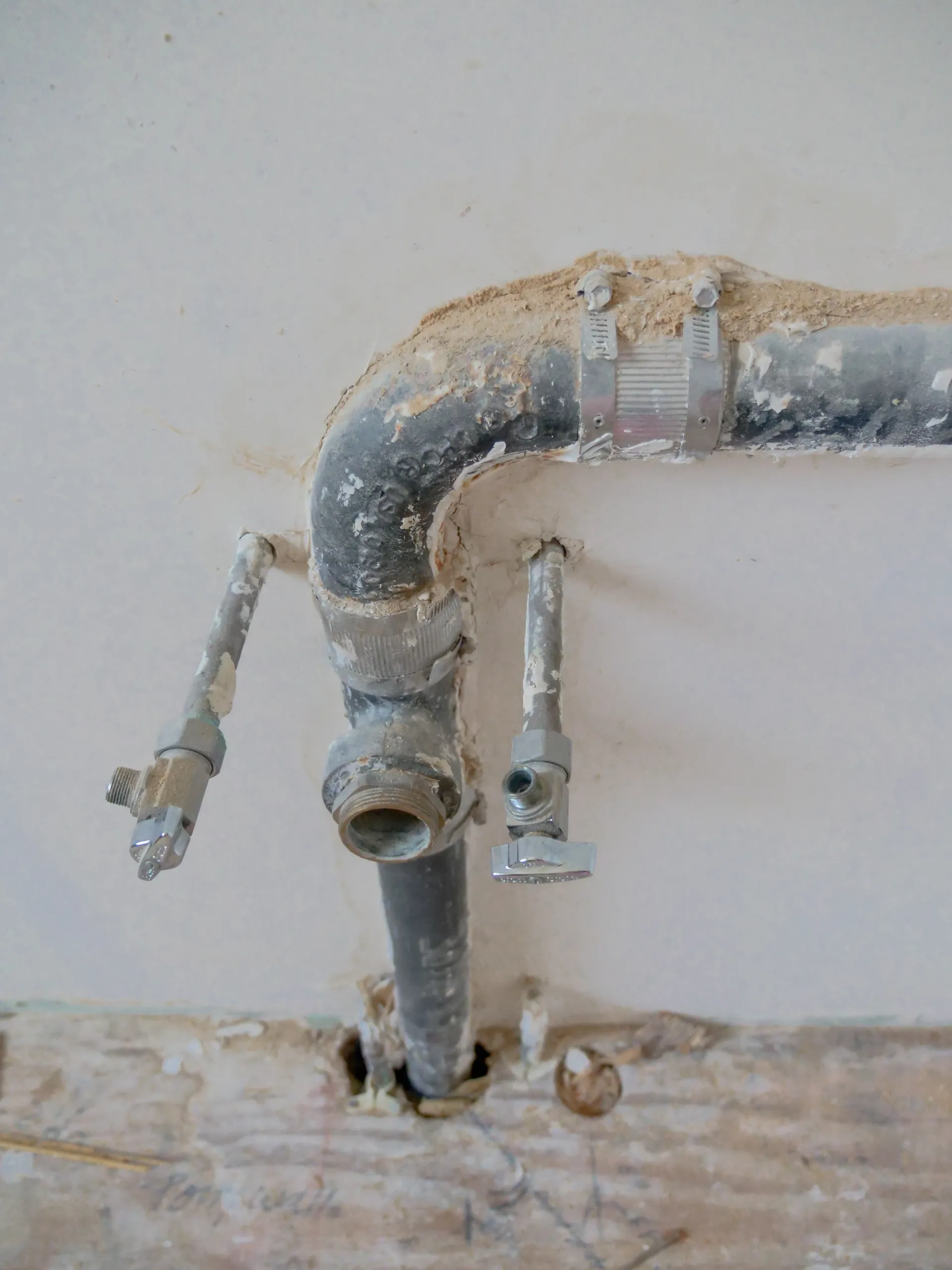
A cylinder that never gets properly hot can have a failed immersion element, a stuck motorised valve, a faulty cylinder thermostat or a scaled coil. The partner tests each in turn, starting with the cheapest and most likely, and replaces what has failed rather than the whole cylinder.
Leaks, Drips and Discharge Pipe Problems
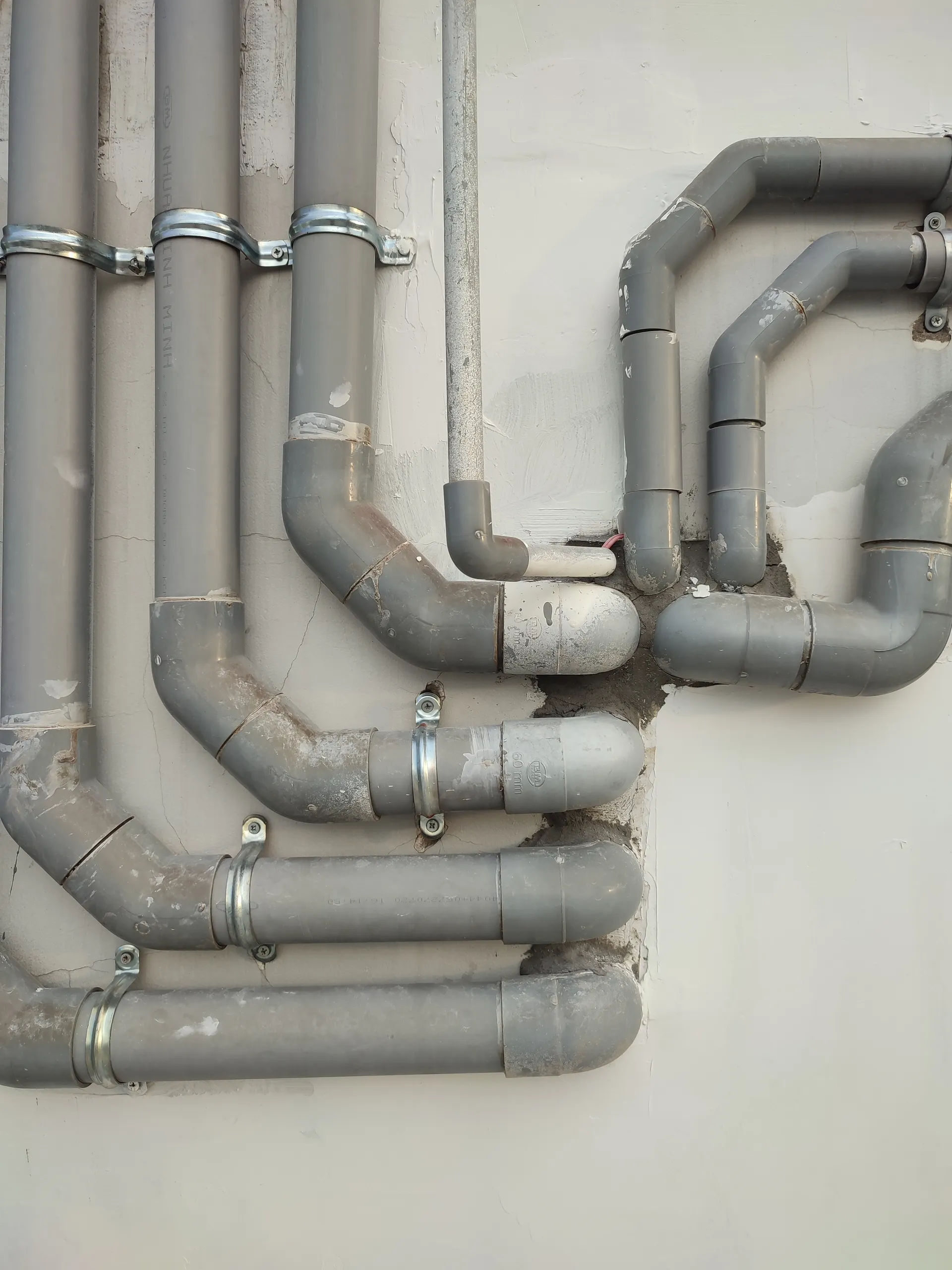
On an unvented cylinder a dripping tundish and discharge pipe usually means a failed expansion vessel, pressure relief valve or temperature relief valve. Any of those is a safety device, so the partner repairs them properly and does not just plug them. Water coming from the cylinder body itself generally means replacement.
Replacing a Tired or Corroded Cylinder
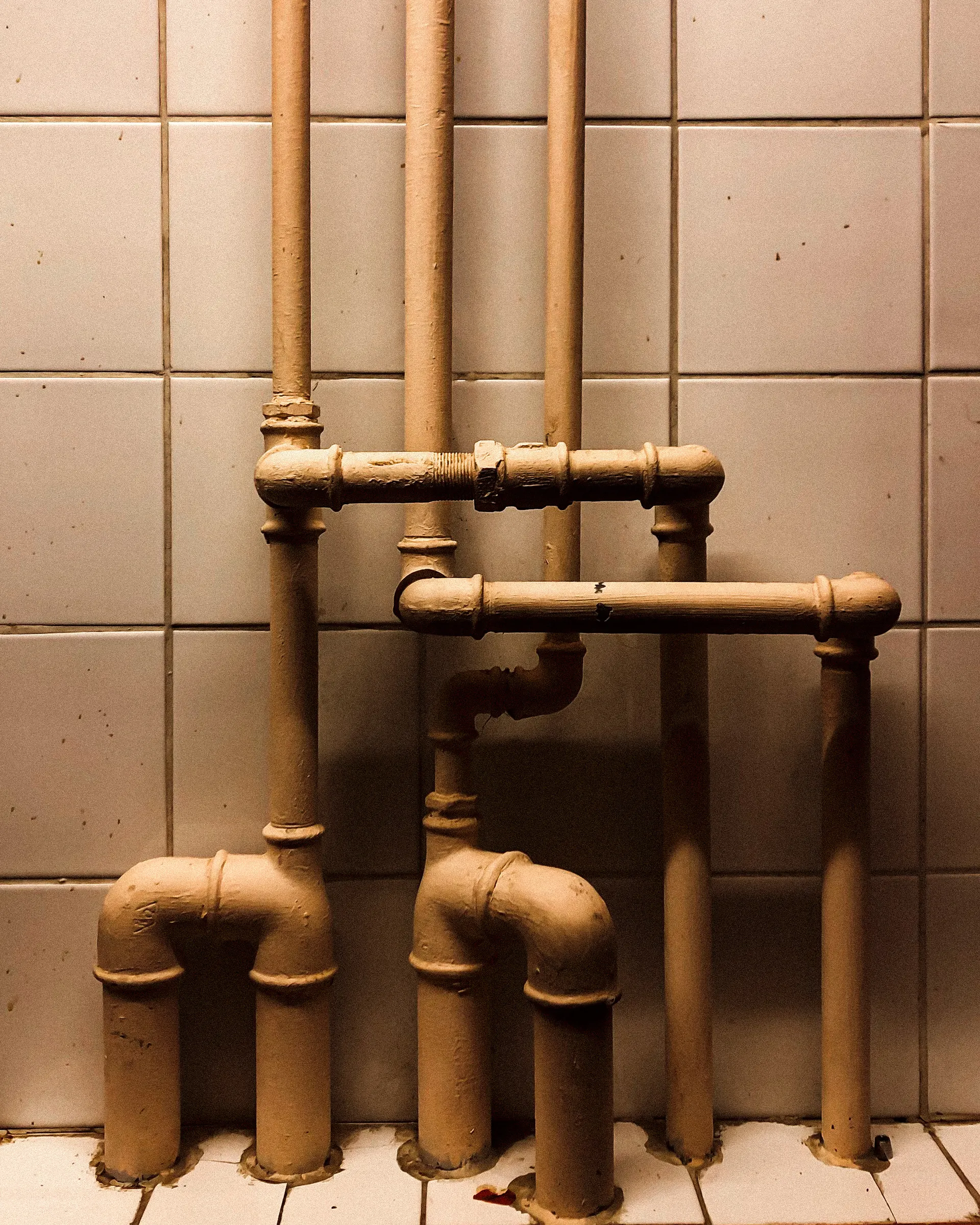
When the shell is leaking or scale has taken over, replacement is the honest answer. The partner can swap like for like or move from a vented to an unvented system, with Part G, pipework alterations and the discharge route written into the quote. Compare the written price with the £900 to £3,500 range.
The Benefits
Vented or Unvented? What Changes
The type of cylinder decides the rules, the pressure and the cost.
Vented Cylinders
Fed from a cold tank, simple and cheap to repair, but pressure is only as good as the height of the tank, which is why showers can feel weak.
Unvented Cylinders
Fed from the mains for strong pressure at every outlet, but they need safety devices and a discharge route, and the work follows Part G.
Thermal Stores and Others
Some larger houses have thermal stores, heat batteries or solar-ready cylinders. The partner will say if a specialist is needed.
Why Us
Cylinders in Period Houses and Flats
Location and layout drive how a cylinder job is carried out.
Tight Airing Cupboards
Many Pimlico cylinders sit in cupboards or basement utility rooms with little space, so access and the route for the old unit are checked before the visit.
Discharge Routes in Listed Buildings
An unvented cylinder must have a safe discharge pipe, and getting it out of a listed building without damaging the fabric needs planning.
Managed Blocks
In a flat with a shared stack, the partner coordinates isolation with the managing agent so neighbours' supplies stay on.
A failing cylinder often comes alongside other heating faults, so see central heating faults when circulation is suspect and boiler repairs if the boiler feeds the coil. A new system boiler usually means thinking about installation and replacement together. Leaks that begin at pipework are covered under leak tracing, and the services overview has the rest. We cover Eaton Square area houses too.
Looking After a Cylinder in an Older Home
A cylinder is out of sight, so it is often forgotten until the hot water stops. A few habits, and a clear view of the choices, make the next repair or replacement cheaper.
Know What You Have
Check whether the cylinder is vented, fed from a tank in the loft, or unvented, fed from the mains with a discharge pipe. Copper cylinders are common in older homes, and modern ones are often stainless steel. The partner identifies the type and age from the label and the pipework, which tells it what parts and rules apply.
Immersion Elements and Thermostats
Many cylinder faults are a failed immersion element or a tired thermostat, both cheap to replace compared with a new cylinder. Scale shortens the life of an element on hard water, so the partner often finds a furred element when it removes it. Replacing one is a short job when the cylinder is accessible.
The Safety Devices on an Unvented Cylinder
An unvented cylinder has an expansion vessel, a pressure relief valve and a temperature relief valve, with a tundish and discharge pipe to carry water safely out. These devices must work. A drip from the discharge is a warning, and the work follows Building Regulations Part G, so repairs should be done properly rather than blocked.
Airing Cupboards, Basements and Access
Cylinders in Pimlico flats sit in cupboards that were never designed for the equipment, and in houses they may be in a basement room. Getting an old cylinder out and a new one in can depend on a door width or a stair turn. The partner checks the route before quoting, to avoid a surprise on the day.
Replacement Options and Costs
UK guides put an unvented cylinder at £900 to £3,500 supplied and fitted, and the bigger the household and the more complex the pipework, the higher the figure. The partner can quote like-for-like replacement and a move to unvented side by side, so you can see what the stronger pressure costs.
Cutting Running Costs
A well-lagged cylinder and sensible thermostat settings cut standing losses, and a programmer limits the time the water is kept hot. Descaling or an inhibitor keeps the heat exchanger efficient, which matters on Thames Water's hard supply. The partner can advise on each when it inspects the unit.
Before You Decide Between Repair and Replacement
Questions to Ask the Partner
Ask how old the cylinder is, whether the fault is in a part or the shell, whether the safety devices work and what a replacement would cost alongside the repair. A good partner shows you the part that failed and the condition of the cylinder, and quotes both routes in writing. If the cylinder is leaking from its body, replacement is the only real answer.
Planning the Replacement Day
A like-for-like swap often takes a day, and a move to unvented takes longer because of the discharge pipe and any extra pipework. Heating or hot water may be off for most of it. Tell us if the access is restricted or if the cylinder is in a basement, and we will match a partner who has handled that kind of job.
Keeping the Paperwork Together
For an unvented cylinder, keep the installation paperwork and each annual service record. Buyers, surveyors and managing agents often ask for them, and a manufacturer may ask for the service history before honouring a warranty. The partner should provide a written note after each visit, and you can ask for it if it does not arrive.
Frequently Asked Questions
How much does a new hot water cylinder cost?
UK guides in 2026 put an unvented cylinder at £900 to £3,500 supplied and fitted, with the cylinder unit itself £400 to £2,000 and labour £500 to £1,500. Like-for-like labour-only replacement is lower. Moving to an unvented system and changing pipework pushes the figure up. The partner gives a written price after seeing the property.
My cylinder is dripping from a pipe outside, what does that mean?
On an unvented system, dripping from the discharge pipe or tundish is the safety system operating, usually because the expansion vessel has lost its air charge, or a relief valve has failed. It should not be ignored, because it can lead to scalding or damage. Switch off the heating to the cylinder if safe and ring 07380 899348.
Should I choose vented or unvented in a flat?
Unvented gives mains pressure and strong showers, but it needs a safe discharge route and follows Building Regulations Part G, which is harder in a flat with shared walls or a listed frontage. Vented is simpler but depends on a cold-water tank above. The partner can tell you what your building allows. Ask for the discharge route to be drawn or described before you commit to unvented.
Is hard water damaging my cylinder?
Thames Water classes 200 to 300 mg/l calcium carbonate as hard and says all of its London supply is hard. Scale builds on immersion elements and coils, reducing efficiency and shortening life. A partner can descale a coil, replace an element or fit a scale inhibitor, depending on how far the problem has gone.
How long does a hot water cylinder last?
A well-cared-for cylinder can serve for many years, though hard water, poor maintenance or a failed expansion vessel can shorten that considerably. If yours is leaking from the body, replacement is the only fix. Servicing an unvented cylinder annually helps spot safety-device problems before they become emergencies. A partner can inspect the shell, joints and safety devices and give you an honest view of how much life is left.
Do unvented cylinders need servicing?
Yes, annually, because the safety devices such as the temperature relief valve, expansion vessel and pressure relief valve must work. Manufacturers usually require it to keep the warranty valid. A partner can inspect, test and report, and quote for any part that fails, with the written record staying with you. Keep the service record, because it also matters when you sell or let the property.
Can you move my cylinder or fit a smaller one?
Often yes, with the cost depending on the pipework changes. Slimmer cylinders and cupboard-sized designs exist for flats, and an unvented model can sometimes replace a bulky vented tank and its loft header. The partner measures the space and tells you what fits, with the discharge route planned. In a flat, where it can sit and where the discharge can run decide what is possible.
What happens if my cylinder floods the airing cupboard?
Turn off the water supply to the cylinder and the electric immersion, move belongings, and ring 07380 899348. A partner can be matched to isolate and make safe, repair or replace the cylinder. Photograph any damage for your own insurance claim, and tell your landlord or managing agent if you rent. Do not open the cylinder or discharge valves yourself, because hot water can scald.
Is a backup immersion heater worth having?
An immersion heater gives hot water if the boiler fails, which is useful for a household that cannot be without. It costs more to run than gas, so it is best as a standby. Many cylinders already have one fitted, and the partner can check it works while on site. Check that it has its own isolator switch and that the thermostat still works.
Who pays for the work and who guarantees it?
You pay the partner company directly on the terms in its written quote, and the partner stands behind its work and any manufacturer warranty on the parts. We do not take payment or invoice you, and if something is not right ring the partner first, then 07380 899348 if you need us to chase it. The partner's written quote and any manufacturer paperwork are your record of what was agreed and what is covered.
No Hot Water? Get a Cylinder Looked At
Matched to a partner company across Pimlico and SW1. Call 07380 899348.
07380 899348