Emergency Plumbing & Boiler Repair · Pimlico, London
Power Flushing in Pimlico, London
A power flush is a deep clean for a central heating circuit. A pump forces water through the radiators and pipes at speed, loosening and carrying out the black magnetite sludge that gathers over years. London Boiler Repair, Plumbing arranges power flushing across Pimlico, Victoria, Belgravia and Vauxhall through an independently owned partner company, on 07380 899348.
Sludge is the common problem in older London systems. Steel radiators corrode inside, the corrosion products settle at the bottom of each radiator, and the circuit clogs, the pump struggles and the boiler overheats. A Pimlico stucco house heated for generations on the same pipes is a textbook case.
The standard that governs the cleaning of heating systems is BS 7593, and the partner follows it, then fits an inhibitor and usually a magnetic filter so the sludge does not return. A flush is not a cure-all, and the partner will say so if the real problem is a failing pump or corroded pipework.
You get a written quote first, based on the number of radiators and the pipework. We text you the company's name beforehand.
What We Do
What Happens During a Power Flush
The process has a clear order, and each stage has a purpose.

Test, Connect and Circulate
The partner tests the system water first, then connects the flushing machine to the circuit, usually at the pump position or a radiator valve. Water and a cleaning chemical circulate through the whole system with the flow reversed at intervals, loosening deposits that normal circulation never moves.
Radiator by Radiator Clean-Out
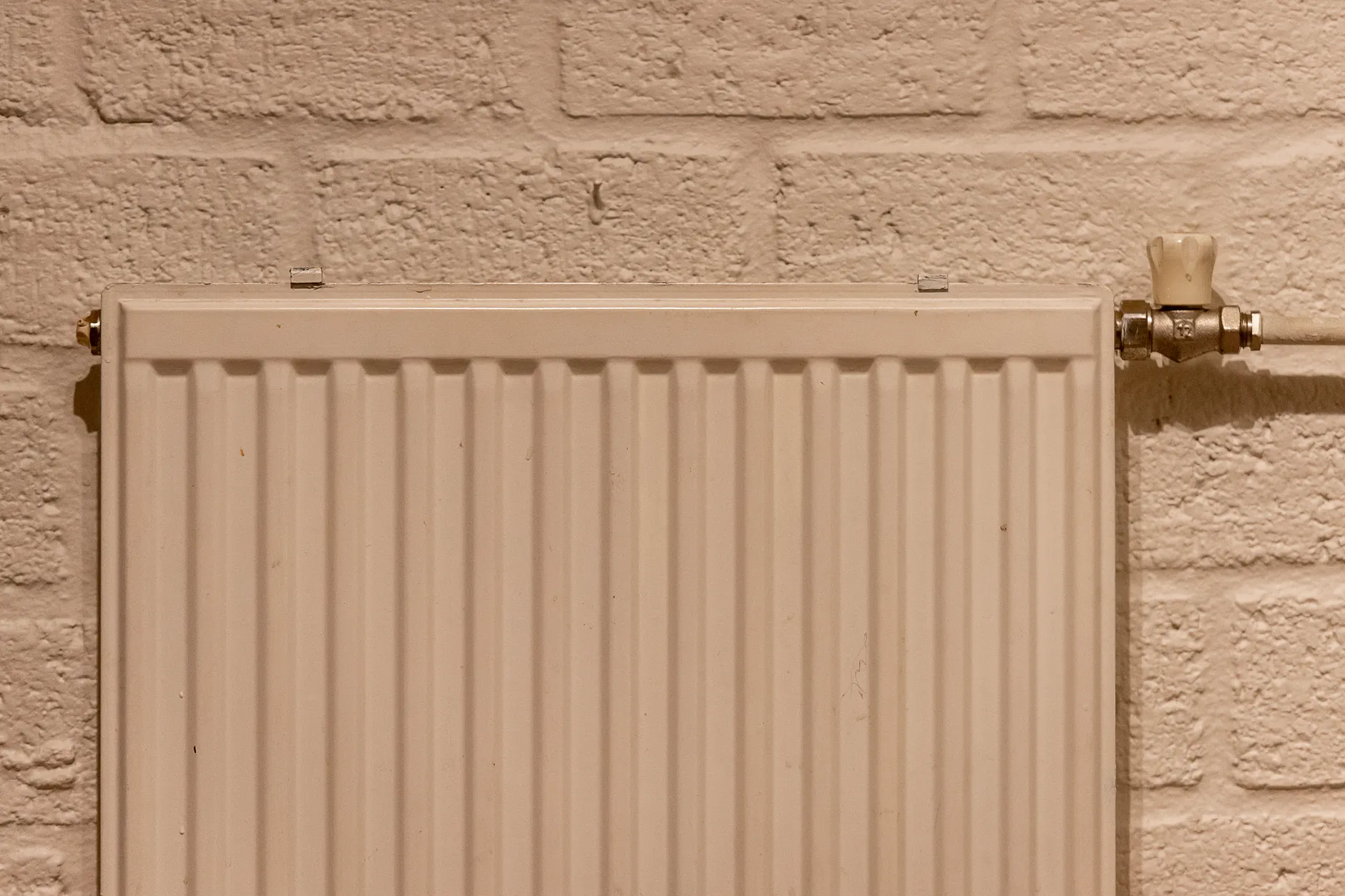
Each radiator is flushed in turn, often with a hammer or rubber mallet to dislodge stubborn sludge, until the water runs clear. Pimlico's older circuits can hold decades of sediment, so this stage takes the longest, and it is where cold-at-the-bottom radiators come back to life.
Neutralise, Inhibit and Filter
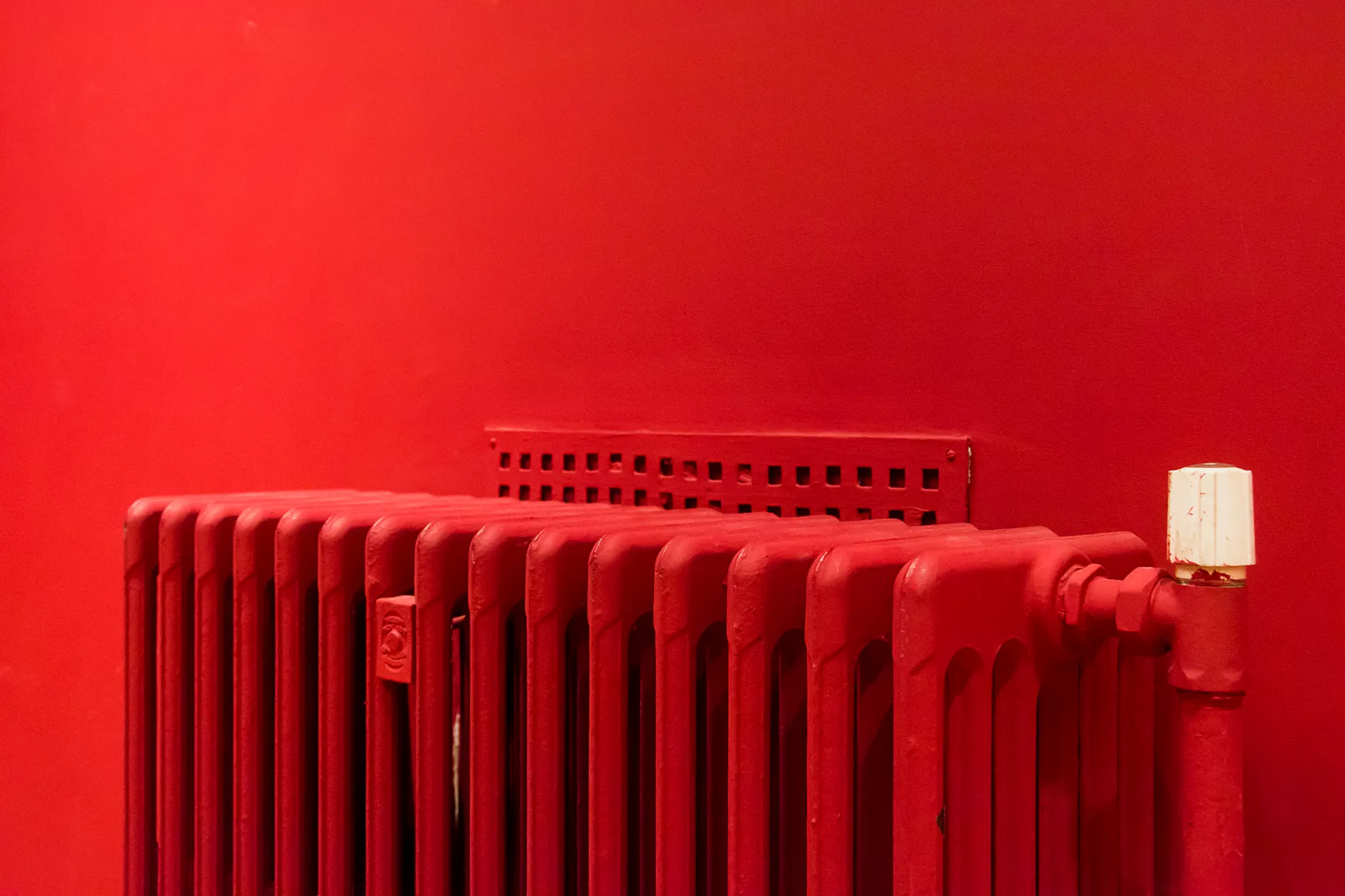
The system is rinsed and neutralised, a corrosion inhibitor is added and a magnetic filter is usually fitted on the return. This protects new radiators or a new boiler from the same fate and is the difference between a flush that lasts and one that needs repeating.
Good to Know
Is a Power Flush Right for Your System?
Flushing helps with sludge, and does little for other faults, so the partner checks first.
Signs It May Help
These symptoms often point to sludge.
- Radiators cold at the bottom and hot at the top
- Black, gritty water when you bleed a radiator
- A noisy boiler that kettles or overheats
- A slow-to-warm house despite a working pump
- A new boiler being fitted to an old system
When It May Not Be the Answer
Some systems need something else.
- Severely corroded or leaking pipework
- A failed pump or stuck zone valve
- Microbore pipes that may be damaged by a hard flush
- A single cold radiator with a stuck valve
- A failing boiler heat exchanger
Why Us
A Flush Done Properly
Done well, a power flush extends the life of the whole system.
System Tested First
The partner assesses whether a flush is likely to help before quoting, rather than selling one by default.
Protected Afterwards
Inhibitor and a magnetic filter are included in the discussion so the system stays clean through the next few winters.
Flats and Managed Blocks Considered
In a flat on a shared riser, the partner works out isolation and drainage so the neighbours below stay dry.
Cleaning is often the first step before other heating work, so see central heating fixes for related faults, radiator work for what comes after, and boiler installation when a new boiler needs a clean system. An annual service visit keeps tabs on system water, and what else we arrange is listed in one place. We cover Vauxhall Cross too.
Before and After a Power Flush
A flush is a project with a start and an end, and a few practical details make it easier to plan around.
Testing the System First
Before quoting, the partner looks at the system water, the age of the radiators and the pipework. Black water with fine grit points to magnetite sludge, while brown water suggests rust and air in the circuit. The test also shows whether the pipework looks sound enough to take a flush, because a weak system can leak under pressure.
Preparing Your Home
Heating and hot water are off for much of the day, so plan for that, and clear the area around each radiator. In a flat, tell the neighbours below and the managing agent, because a hose or a hammer on pipework can be heard through floors. We text you the partner company's name beforehand, so you know who to expect.
Radiator Count and Property Size
Cost follows the number of radiators and the ease of access. UK guides put a flush of a two-bed flat with four to six radiators at £350 to £450, a three-bed with eight to ten at £450 to £650, and a larger house above £800. London quotes often fall in the £300 to £600 range for typical homes.
Chemicals, Inhibitor and Disposal
The partner uses a cleaning chemical suited to the system's metals, then neutralises and rinses it before adding inhibitor. The waste water is disposed of properly, not poured away carelessly. Ask the partner what product it uses and what it records, because the inhibitor level matters for protecting the system afterwards.
Boilers, Filters and Warranty
Many boiler manufacturers expect a clean system and a magnetic filter, and some require them for the warranty. If you are having a new boiler fitted, ask for the flush to be part of the same quote. A filter that is emptied at each annual service keeps the circuit clean for the next few winters.
Signs the Flush Worked
Radiators heat evenly from top to bottom, the boiler runs quieter, and the house warms faster. If one radiator is still cold, the partner checks the valve and the pipe to it, because a flush clears sludge but cannot free a seized pin or a collapsed pipe.
Is It Worth the Money?
Weighing the Cost Against the Benefit
A flush costs £300 to £800 in most guides, and the benefit depends on how bad the sludge is. A system that has run for decades without a filter often gains a lot, with evenly warm radiators and a quieter boiler. A system that is only a few years old and already has a filter may gain little. The partner tests first, and tells you honestly which you have.
Alternatives to a Full Flush
If the system is lightly sludged, a chemical clean without a power flush, or fitting a magnetic filter and replacing the water, may be enough. If a single radiator is clogged, flushing just that one is cheaper than the whole house. The partner can quote the options side by side, so the choice is yours.
Scheduling a Flush
The best time for a power flush is before the heating season, in late summer or early autumn, when the system is not needed all day and partners are less busy. A flush in mid-winter is possible, but you will want to plan around a cold day without heating. Tell us when you ring if anyone at home is elderly, very young or unwell, and we will bear that in mind.
Frequently Asked Questions
How much does a power flush cost in London?
Published 2026 guides put a full-system power flush at about £300 to £600 in London, with UK ranges from £300 to £800 depending on property size. A two-bed flat with four to six radiators is typically £350 to £450, while a four-bed house with many radiators can exceed £800. A magnetic filter adds roughly £100 to £250. The partner's written quote is the price.
How long does a power flush take?
A standard home is usually a day, with the partner on site from morning until the last radiator runs clear. Larger houses, older systems or stubborn sludge can stretch to two days. The partner confirms the expected time in the written quote, and you will need heating and hot water off for a good part of it.
Will a power flush damage my pipes?
On sound pipework, no, but a flush can expose existing weak points, such as old corroded joints that were held together by the sludge. That is why the partner tests the system first and tells you the risks, particularly on very old or microbore systems. If the pipes are already tired, a gentler chemical clean or a repair may be better.
What does BS 7593 have to do with it?
BS 7593 is the British Standard code of practice for the treatment of water in domestic hot water central heating systems, covering cleaning, flushing and protection with inhibitor. A partner following it should clean until the water is clear, add the right inhibitor and record what was done. It is a standard the work is built to, not a certification.
Do I need a magnetic filter?
On systems with steel radiators, a magnetic filter is a sensible protection, capturing magnetite before it reaches the boiler and pump. Many boiler manufacturers expect one on new installations. The partner will test your system water and recommend one only where the benefit is clear. It is a small unit on the return pipe that you can empty at each yearly service.
Should I flush the system when replacing the boiler?
Where the old system is sludged, yes, because feeding a new boiler black water can shorten its life and affect any warranty. Many partners will clean the system as part of a replacement, and some boiler makers require it. We would rather quote both together than have you pay for a new boiler that fails early.
My system is microbore. Can it be power flushed?
Microbore pipes are narrow and fragile, and an aggressive power flush can damage or block them, so partners often prefer a gentler chemical clean on those systems. Tell us at booking if you know or suspect microbore pipework, so a partner with the right experience is matched. Microbore pipes are narrow and fragile, so partners often prefer a gentler chemical clean on those systems. Tell us at booking if you know or suspect microbore pipework, so a partner with the right experience is matched, and the quote will explain which approach is proposed.
Do radiators need removing for a flush?
Sometimes. If a radiator is badly clogged, the partner may take it off the wall and flush it separately, which is more effective than leaving it in place. In a period Pimlico room, that includes protecting paint and floors. The scope is written into the quote so you know what to expect. Taking one off also lets the partner check the valves and tails underneath.
How soon will I notice the difference?
Many people notice radiators heating evenly the same day, and boilers often run more quietly. Bills can fall because the system no longer has to work against restricted flow. Results depend on how sludged the system was and on whether other faults, such as a weak pump, are also present. If the radiators were the problem, the difference is usually clear within hours of the heating coming back on.
Who do I pay for the flush?
You pay the partner company directly on the terms in its written quote, and we do not take payment or send invoices. If you have a billing question or the work has not solved the problem, speak to the partner first, then ring 07380 899348 if you need us to chase it. That keeps the arrangement simple, and you know exactly who to call about the work.
Get Cold Radiators Heating Again
A written quote from the nearest free partner. Pimlico, Victoria, Belgravia, Vauxhall. Call 07380 899348.
07380 899348